

Disney World has never been cheap, and it’s gotten more expensive every year. Anyone telling you there’s a secret to doing Disney at “bargain basement prices” is lying. But you can visit without emptying your savings account if you’re strategic about where your money goes.
Here’s the truth most budget articles won’t tell you: every piece of advice you read is based on someone else’s budget, priorities, and family. Take what works for you. Leave the rest.
The One Rule That Actually Matters
Spend money on experiences. Be ruthless about stuff.

The character breakfast where your kid met Cinderella? You’ll remember that. The behind-the-scenes tour? Your family will talk about it for years. The dinner at California Grill watching fireworks? That becomes a core memory.
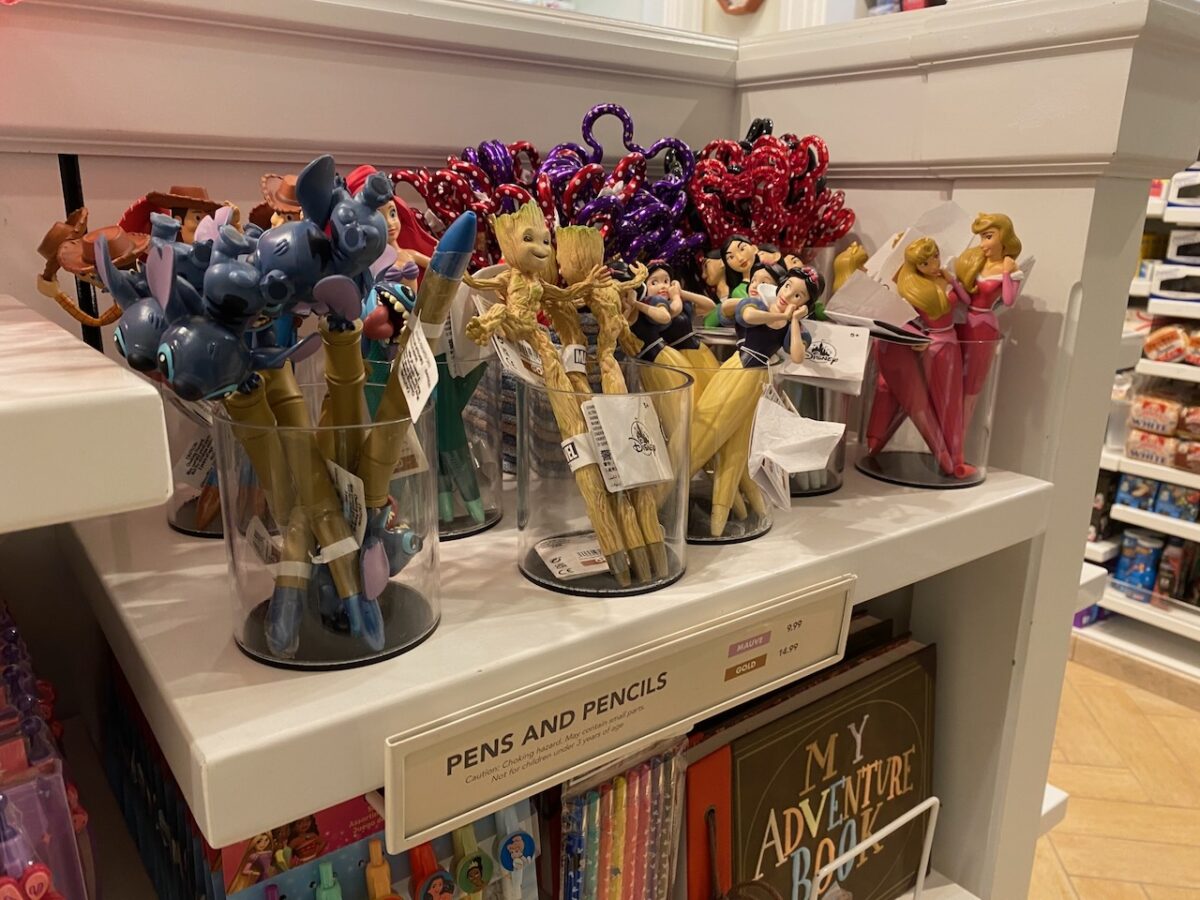
The Mickey ears sitting in your closet? The art print you never framed? The pins gathering dust? Nobody remembers that stuff.
Budget for dining experiences, tours, and special moments. Skip the merchandise unless it’s truly meaningful. That’s the whole strategy in one sentence.
Article Continues Below
Hotels: Where the Math Changed
Disney Springs area hotels now offer Early Entry—30 minutes early access to any park, every day. This used to be exclusive to Disney resorts. Now hotels like Holiday Inn and Best Western near Disney Springs have the same perk for $40-80 less per night.
Your decision comes down to two questions:
- Can you get to a theme park for under $10 via Uber?
- Does your hotel offer Early Entry?
If yes to both, you’re good. The theming, Disney transportation, and resort pools are nice-to-haves, not budget necessities.
Tickets: Do the Math on Park Hopper
Park Hopper adds $80 per person to your ticket cost. For a family of four on a 5-day trip, that’s $320.
Most families don’t Park Hop as much as they think they will. Moving between parks takes 45-90 minutes between transportation, security, and walking. That’s real park time you’re losing.
Skip it unless:
- You’re adults without kids
- You’re visiting during low crowds
- You specifically planned dining at a different park than where you’re spending the day
For everyone else, that $320 goes further spent elsewhere.
The length-of-stay strategy: Longer tickets are dramatically cheaper per day. A 1-day ticket costs $164. A 10-day ticket costs $67 per day. If you’re visiting for a week, buy the 7-day ticket even if you plan a rest day. The incremental cost is minimal.
Article Continues Below
Food: Three Approaches That Work
Option 1: Bring Your Own Pack sandwiches, snacks, and granola bars. Bring an empty water bottle. Fill it at fountains or ask for free ice water at counter-service restaurants. Eat one real Disney meal per day.
Option 2: Strategic Grocery Runs If you’re off-property with a car, stop at a grocery store. Buy breakfast items and sandwich supplies. Eat breakfast in your room, pack lunch for parks, do dinner at Disney.
Option 3: Disney Dining Plan Costs $97.79 per adult per night in 2025. Kids eat free in 2026 when adults buy a plan.
It’s not about saving money—it’s about paying upfront and not thinking about costs during your trip. If that peace of mind is worth it to you, buy it. If you’d rather pay as you go and order lighter, skip it.
Article Continues Below
The Real Budget Killers
The “$5 Problem”
“It’s just $5 for a water bottle.” “It’s only $8 for a snack.” “It’s under $10, no big deal.”
These add up faster than anything else. By the end of the week, you’ve spent $200 on things you can’t even remember buying.
Set a daily snack budget. Once you hit it, you’re done for the day.
The Festival Food Trap
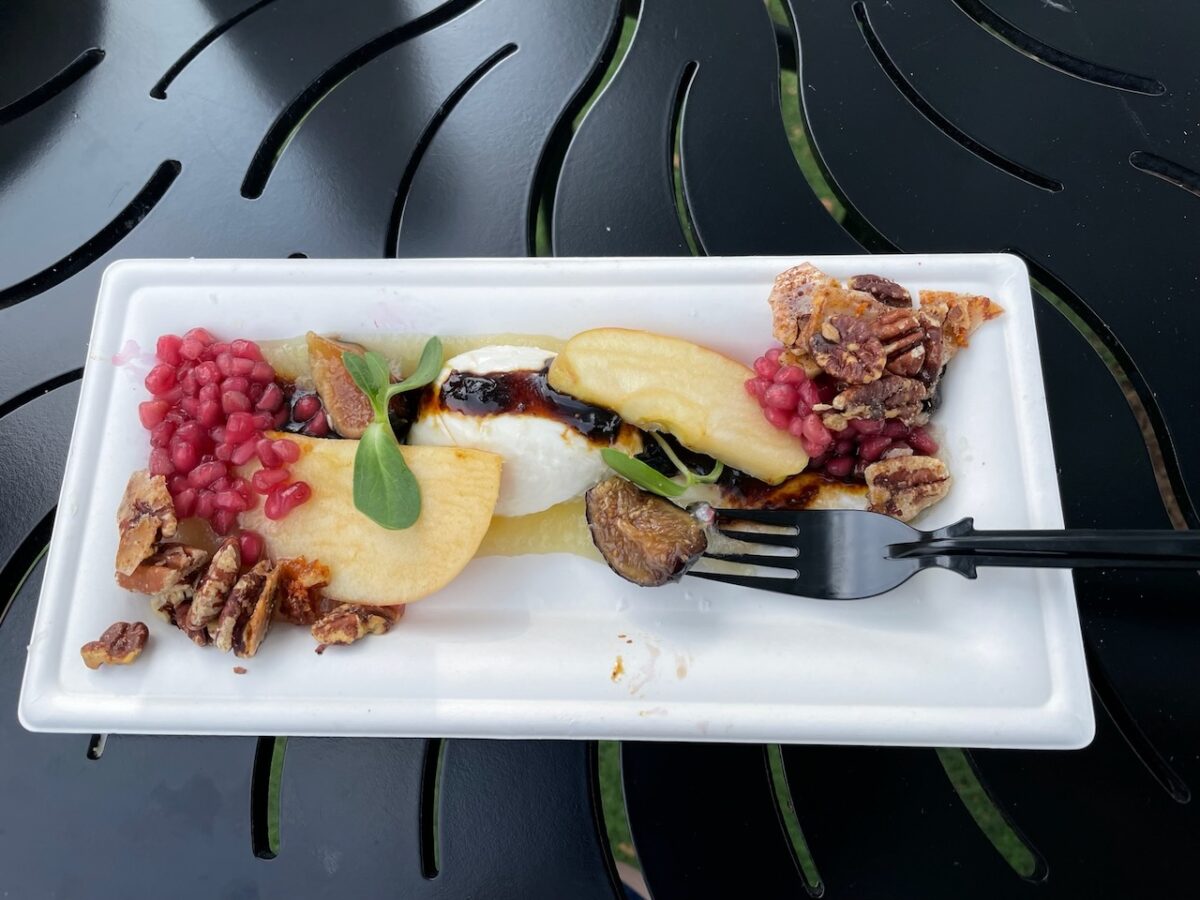
EPCOT’s festivals seem budget-friendly. Small portions at $5-8 each. Try lots of different foods.
The problem: after 2-3 items, you’ve spent $20 and you’re still hungry. A $15 counter-service meal would have filled you up.
Festival foods are fun to try, but don’t plan to make them your meal and call it a budget strategy.
The Warm Water Fountain Reality
Yes, you can get free water. But when it’s 95 degrees and the fountain is broken or dispensing warm water, you’ll buy bottled water. It happens. Don’t beat yourself up, but know those $5 purchases add up.
The Small Purchases Nobody Tracks
The Dole Whip. The Mickey pretzel. The popcorn bucket. The churro. Every snack feels harmless in the moment. Across a week-long trip, you’re looking at hundreds of dollars in impulse purchases.
Article Continues Below
The Timing Reality
Every article says “go during off-peak times to save money.” That’s true. September is cheaper than July.
But here’s what nobody says: you can’t always control when you visit.
Your job dictates your vacation time. Your kids have school schedules. Your family obligations don’t care about Disney’s pricing calendar.
Go when you can go. You can still have a great time whether you visit in off-season or peak season. The same budget strategies apply regardless of timing.
Stop stressing about finding the “perfect” dates. Go when it works for your life.
Article Continues Below
Everyone Does Disney Differently
Some people bring all their own food. Others buy bottled water every day because that’s their preference. Some families skip table-service restaurants entirely. Others make character dining the centerpiece of their trip.
The only wrong way to budget is spending money on things that don’t matter to you while skipping the things that do.
Take the advice that fits your situation. Ignore the rest.
What It Actually Costs
A realistic budget for a week-long Disney trip for a family of four in 2026: $6,000-$10,000.
That includes flights, hotel, tickets, food, and souvenirs. That’s not cheap, but it’s achievable if you’re strategic about where your money goes.
The questions to ask:
- Will I remember this in five years?
- Does this matter to my family?
- Am I buying this because I want it, or because I feel like I should?
The vacation you remember isn’t about how much you spent. It’s about the time you had together. Sometimes that means packing sandwiches. Sometimes it means staying at a Value resort. Sometimes it means skipping souvenirs.
Just make sure the money you do spend goes toward things that actually matter to you—not things some blog told you to prioritize.