

The EPCOT International Flower and Garden Festival runs every spring, and it is one of those events that sounds like a nice bonus on top of a regular EPCOT day. For some guests, that is exactly what it is. For others, it becomes the reason they book the trip.
Which camp you fall into depends almost entirely on whether you know what you are walking into.
Here is what to know before you go, whether this is your first festival or your fifth.
What the Festival Actually Is
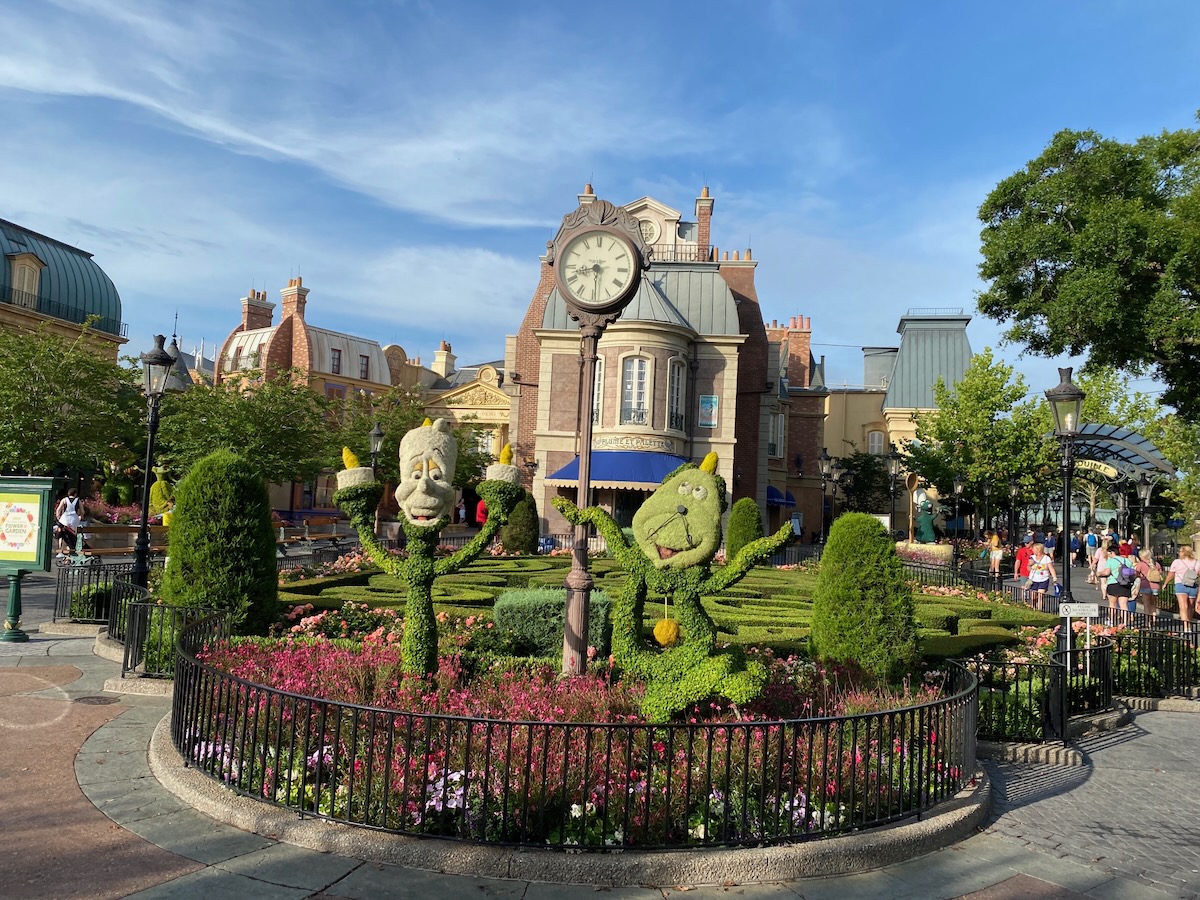
The Flower and Garden Festival is a seasonal overlay on top of a regular EPCOT visit. You do not need a separate ticket. If you are already going to EPCOT in the spring window, you are going to the festival whether you plan for it or not.
What that means practically: the gardens, topiaries, and outdoor food booths are layered on top of the park’s normal operation. The regular EPCOT attractions are all still running. You are not trading one experience for the other. You are adding to it.
The festival runs from early March through late May, though exact dates shift year to year. Check current operating dates before you build your itinerary around it.
Article Continues Below
If This Is Your First Festival
The Topiaries Are the Main Event. Give Them Time.
There are roughly 100 topiaries spread across the grounds. Most first-timers do a quick lap, spot a few characters, and move on. That is a mistake.
The construction behind these is more interesting than they look from a distance. A single topiary uses around 20 to 30 different plant varieties. Mufasa’s mane is built entirely from coconut husk. Maui stands 14 feet tall with his hook, spans about 20 feet wide, weighs over 3,000 pounds, and was installed by crane in the middle of the night.
Slow down. Get close. Look at what is actually holding these things together.
The Violet Lemonade Is Worth the Hype
It has become the signature item of the festival, and for once the reputation is earned. The flavor is tangy and not overly sweet, which makes it more drinkable over a long day than most theme park beverages. The viola garnish on top is grown at the Land Pavilion inside the park.
Get one early. Carry it through the garden walk. It is the right way to start the festival.
Butterfly Landing Is Easy to Skip and Shouldn’t Be
Most first-timers treat Butterfly Landing as a quick walk-through. It is actually one of the more substantive experiences at the festival.
The Disney conservation team tags monarch butterflies with small radio telemetry devices that ping every three seconds and track movement across the property in real time. The monarchs migrate up to 3,000 miles, flying as far as 100 miles in a single day. The tagging program builds on decades of citizen science research.
If a cast member offers to walk you through the tagging process, say yes. It takes ten minutes and completely changes how you see the rest of the butterfly garden.
The Food Booths Are Snacks, Not Meals
This is the thing most first-timers get wrong. The outdoor festival booths are designed around small plates and shareable bites. They are not quick service replacements. If you go in expecting to get full at the booths, you will spend more than you planned and still be hungry by mid-afternoon.
Do your research on the booth menus before you arrive. Pick two or three items you genuinely want to try and treat them as additions to your day, not the foundation of it. Budget accordingly and you will have a great time. Treat the booths as a meal plan and you will feel the hit in your wallet.
The food itself is genuinely good. The edible flowers on many of the dishes are grown inside the park and end up on your plate intentionally, not as decoration. The orange blossom saffron cake is worth knowing about: saffron comes from the stigma of a crocus flower, harvested by hand with tweezers, at roughly one pound per acre of flowers. That context makes the price make more sense.
Article Continues Below
If You Have Been Before
Look at What Changed in the Topiaries
The lineup shifts year to year. If you visited during a previous festival and remember the topiary map, do not assume it is the same. New characters are added, arrangements change, and the gardens themselves evolve between seasons.
The Encanto set has been a recent addition. If you have not seen it, find it. Luisa is a standout.
Spend More Time in the Edible Flower Garden
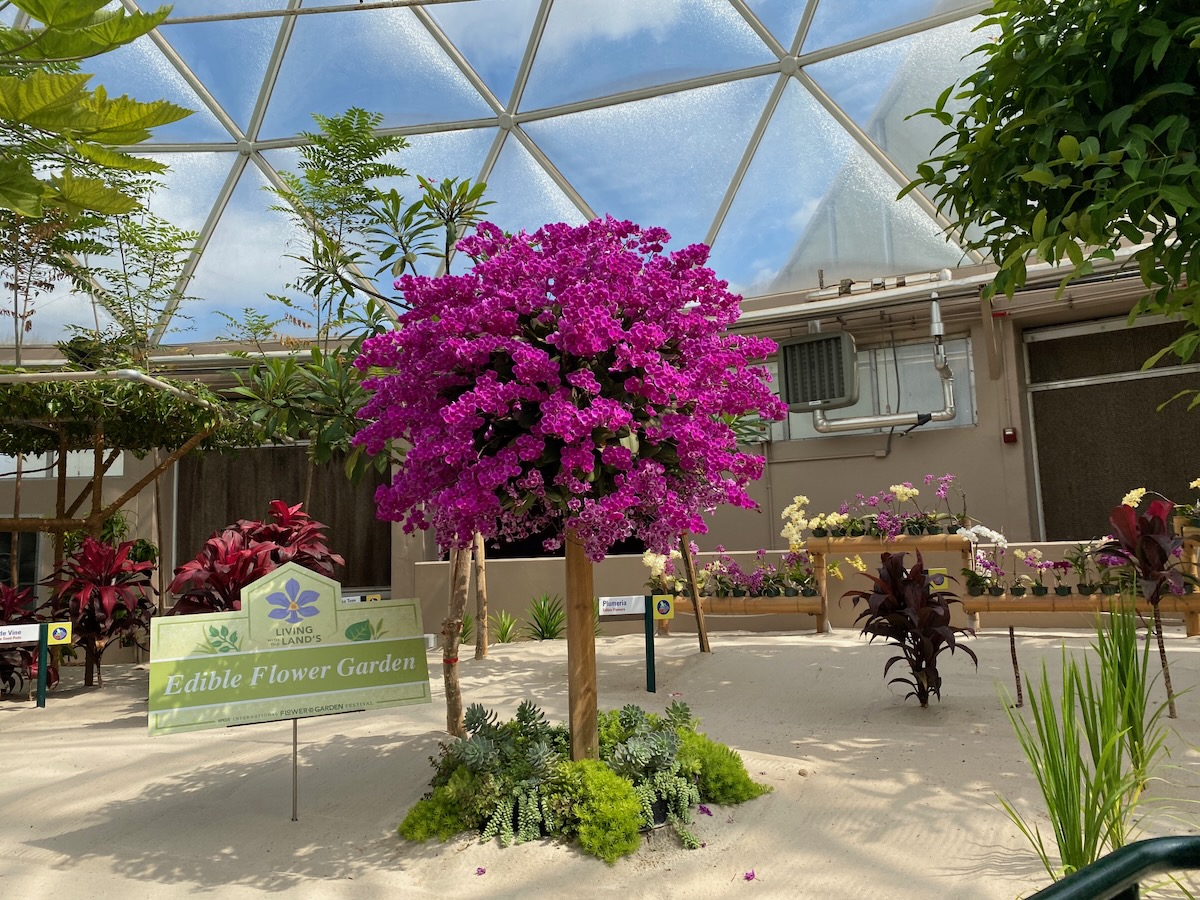
Repeat visitors often focus on the World Showcase booths and move quickly through the agricultural areas near the Land Pavilion. The edible flower garden is worth more time than most people give it.
The marigolds and violas growing there are not just decorative. Many of them end up in the food at the festival booths and in dishes across the park. Seeing where the flowers grow before you eat them changes the experience in a way that is hard to explain until you do it.
Go to Garden Rocks If You Did Not Last Time
The Garden Rocks concert series runs during the festival at the America Gardens Theatre. It is free with park admission and easy to overlook if you are moving fast. For repeat visitors who have already done the full garden walk, building your afternoon around a concert is a genuinely different way to spend the back half of the day.
Check the schedule before you go. Acts vary by week.
Article Continues Below
How to Sequence Your Day
Morning: Start in Future World and work your way toward the World Showcase before 11am. The gardens are less crowded, the light is better for photographs, and the topiaries are easier to approach without weaving around other guests.
Late morning: Hit the outdoor food booths after 10:30 but before noon. Lines at popular booths build quickly once the lunch crowd arrives. If there are specific items you want, this is the window.
Afternoon: Use the indoor EPCOT attractions and Land Pavilion to break up the heat. The Behind the Seeds tour at the Land Pavilion is worth doing on a festival visit specifically because it connects directly to what you are seeing outside.
Late afternoon and evening: The gardens look different in lower light. Repeat visitors often say the evening walk through World Showcase during the festival is the part they remember most. Crowds thin, temperatures drop, and the whole thing feels more manageable.
What to Deprioritize
Not everything at the festival earns equal time.
The merchandise specific to the festival is pleasant but not particularly unique. If you are watching your budget, it is easy to skip. The topiaries themselves are free to walk through and photograph. You do not need to buy the topiary-themed items to feel like you experienced the festival.
If you are a first-timer with limited hours, do not try to hit every single food booth. The menus overlap more than they appear to at first glance. Pick the items that are genuinely different from what you would eat on a regular EPCOT day and spend your time and money there.
Article Continues Below
One Thing Worth Taking Home
The horticulture team designs the spring festival with northern visitors in mind. The cool-season plants on display during the spring run work in colder climates. When you see something you love in the gardens, photograph it and look up the plant name before you leave.
Sun patience is the plant the Disney horticulture team recommends most for home gardens: heat-tolerant, low-maintenance, and a strong repeat performer. If you want to bring a little of the festival home without buying anything at the merchandise stands, that is where to start.
The Flower and Garden Festival rewards the guests who treat it as something to engage with rather than walk past. Go in with a plan, set realistic expectations around the food budget, and give yourself permission to slow down at the things that actually interest you.
It is one of the better versions of EPCOT. That is not a small thing to say.